In May 2013, Japan became Square’s first expansion outside North America, and founder Jack Dorsey was determined to make a statement. He had long admired Japanese design and believed that the country’s small businesses were underserved by traditional financial services.
Dorsey’s instincts aligned with the data. Japan’s smartphone penetration was soaring. It had one of the highest densities of small businesses in the world. And despite its reputation as a tech-savvy nation, the vast majority of transactions were still settled in cash. Credit card penetration remained stubbornly low, and where terminals did exist, they were expensive, ugly, and locked into multi-year contracts with opaque fees.
By the time Hiroaki Mizuno stepped into Square’s Tokyo office as the Country Manager in late 2013, merchants had registered by the thousands. But the dashboard was telling a different story.
“Everyone had signed up,” Mizuno recalled, “but not as many people were actually using it.”
Mizuno, who had spent the last half-decade convincing Japan to take PayPal seriously, recognized the pattern immediately.
The door that opened first
In Japan, credit card processing and merchant acquisition are typically handled by licensed entities (banks or card companies), and foreign entrants often face hurdles in obtaining the necessary registrations. To navigate the regulatory and compliance maze, Square had quietly begun building relationships with all three of Japan’s megabank card arms before launch.
Among the potential candidates, SMCC (Sumitomo Mitsui Card Company) surprised them by leaning in. Not only they agreed to act as Square’s acquiring partner but also invested $10 million into the company in September 2012 and became Square’s first foreign investor. “This wasn’t a side bet for them,” Mizuno said. “It became a whole-company project.”
Through the partnership, SMCC acted as the acquiring bank for Square’s transactions, ensuring compliance with card network rules and local regulations. This arrangement meant Japanese merchants signing up for Square were technically onboarded under SMCC’s umbrella (with Square Japan facilitating the technology and customer interface). Square Japan K.K. was established to handle local operations, but critical functions like fund settlement and risk management leveraged SMCC’s existing licenses. Allying with a local licensed card issuer/acquirer rendered credibility and allowed Square to launch quickly without waiting years for its own regulatory approval.
A small corridor with outsized influence
The cornerstone of Square’s go-to-market was a promise of next-day deposits. This was possible because Square’s risk engine didn’t rely on up-front vetting or weeks of onboarding. Instead, it monitored merchant behavior in real time, freezing or flagging only when needed. Japanese merchants, accustomed to multi-page contracts and bureaucratic delay, were skeptical, but intrigued.
However, the curiosity alone did not translate into swipes. So Mizuno’s team decided to go hyperlocal. They stopped chasing the idea of “Japanese SMBs” as a monolith and began to segment aggressively by vertical and neighborhood. While doing so, one early cluster stood out: third-wave coffee shops around Omotesando and Aoyama, areas known for boutiques and designer showrooms for a younger urban clientele. These cafes were small in revenue, but strategically significant. Their customers expected modern payment options and the merchants themselves were highly sensitive to design, experience, and brand signaling.
Square fit naturally into that world. The reader’s clean, minimal design blended seamlessly into carefully curated countertops. From a pure unit economics perspective, none of these merchants were “big.” What mattered was not the size of merchants, but the density of adoption within a visible community that represented Square’s brand and mission far more authentically. This logic culminated in “Square Week in Omotesando-Harajuku,” a live activation campaign where Square highlighted over 70 boutiques, salons, and cafés where customers could try finger-signature payments on iPads.
That said, Square was also realistic. Building a business solely on small merchants is slow and operationally demanding. Even in the US, Square’s early acceleration was fueled in part by its partnership with Starbucks. While positioning itself publicly as a champion of small businesses, Square also pursued selective large-scale partnerships behind the scenes. In Japan, UNIQLO played that role. As an innovative retailer eager to experiment with new digital experiences, they provided a high-visibility case study and institutional credibility in a market where trust matters deeply.
When the theory broke
Marketing and user activation were in place, but truly winning Japan required deeper localization. One of the biggest challenges was the Japanese distinction between what people casually call a “receipt” and what companies formally require as one. In the US, Square prided itself on being paperless. A digital receipt or card transaction record was often sufficient for expense reporting, and internal controls focused on the substance of the transaction rather than its format. In Japan, however, large companies operate under a different set of expectations shaped less by statute than by long-standing accounting practice and audit culture. Employees are typically required to submit a paper Ryoshusho (a “formal receipt”, often with a company name in the “Invoice to” section), even if a perfectly detailed store receipt already exists. Headquarters resisted as it felt redundant or even irrational, but Mizuno fought back, explaining how this gap created real friction for adoption, especially among large clients.
“It went against everything they believed,” Mizuno said, “but it wasn’t optional.” Engineers eventually built support for thermal printers, even if it meant compromising on elegance.
Another cultural reality was JCB. As Japan’s only homegrown credit card brand, JCB enjoyed outsized consumer loyalty. That said, supporting JCB would require a separate acquiring relationship, different risk assumptions, and additional operational complexity. Moreover, aggregate data showed that most JCB cardholders also carried Visa or Mastercard, so deprioritizing JCB seemed rational from the headquarters’ perspective.
But Japanese consumers did not treat credit cards as interchangeable instruments. In Japan, average consumers pursue points strategies (poikatsu) religiously and routinely switch cards based on contexts like campaigns and merchant partnerships. A customer might carry multiple cards, but that does not mean they are willing to use any of them at any time. JCB, in particular, was deeply embedded in loyalty programs and co-branded promotions.
At the counter, this nuance mattered. When a JCB card was declined, customers did not simply reach for another card. Merchants interpreted the moment as a limitation of the system itself. Domestic rivals like Rakuten SmartPay already accepted JCB and merchants were beginning to feel the difference. After years of lobbying from the Japan team, Square finally added JCB support. By then, the cost was clear. “That one hurt,” Mizuno admitted. “We lost good merchants by being too slow.”
Lessons in local fidelity
Square’s Japan story offers many takeaways, but Mizuno distills them into three principles that consistently separate successful entrants from failed ones.
DO: Go in with a local partner
The more successful a company is in its home market, the stronger the temptation to enter Japan as a standalone operation. But Japan is not just another large market. It is an ecosystem of institutions, licenses, informal power structures, and trust networks.
Square’s partnership with SMCC worked not because it was convenient, but because it was deep, visible, and company-wide. Mizuno’s view is blunt. “You will end up partnering with a major local player eventually anyway. If the partnership is inevitable, leverage it early before momentum stalls.”
Another payoff of this approach surfaced years later. By 2019, Square Japan had a steady, loyal base. Then came the government’s cashless rebate program. Ahead of the Tokyo Olympics and a consumption tax hike, policymakers offered 5% rebates for cashless purchases and subsidies for POS installations.
Mizuno and SMCC saw their moment. Square launched a new contactless reader, offered zero-fee promotions, and partnered with SMBC bank branches as onboarding centers. Suddenly, business owners could walk into a local bank and walk out with a working Square setup.
The impact was dramatic. “It was the closest thing we had to hypergrowth,” Mizuno said. The partnerships are not just about entry. They determine how fast you can move when the window opens.
DON’T: Try to run Japan from afar
The most damaging pattern Mizuno sees is excessive headquarters control. The kind of coordination that made Square’s 2019 surge possible requires real delegation. It cannot happen if every decision needs to be validated against a global playbook.
Mizuno has seen this failure mode repeatedly, including from the other side of the table during his time overseeing PayPal’s APAC operations, where he learned the lesson the hard way.
The better model is delegation with clear outcomes. As Mizuno puts it, “Japanese teams do not fail because they lack capability. They fail when authority and accountability are separated.”
The principle is simple but often ignored in Japan entries. “You need to manage results, not actions.”
DON’T: Treat regulation as an afterthought
Many global companies enter Japan assuming regulation can be addressed after launch. Early on, that speed can even look like strength, the familiar disruptive startup moves. But in Japan, that phase has a shelf life.
Regulation here evolves in response to real products. PayPal’s early operations helped define the Payment Services Act. Square’s approach to risk and merchant onboarding influenced how Installment Sales rules were interpreted.
Products can lead. Rules can follow. But only when companies engage deliberately and in good faith.
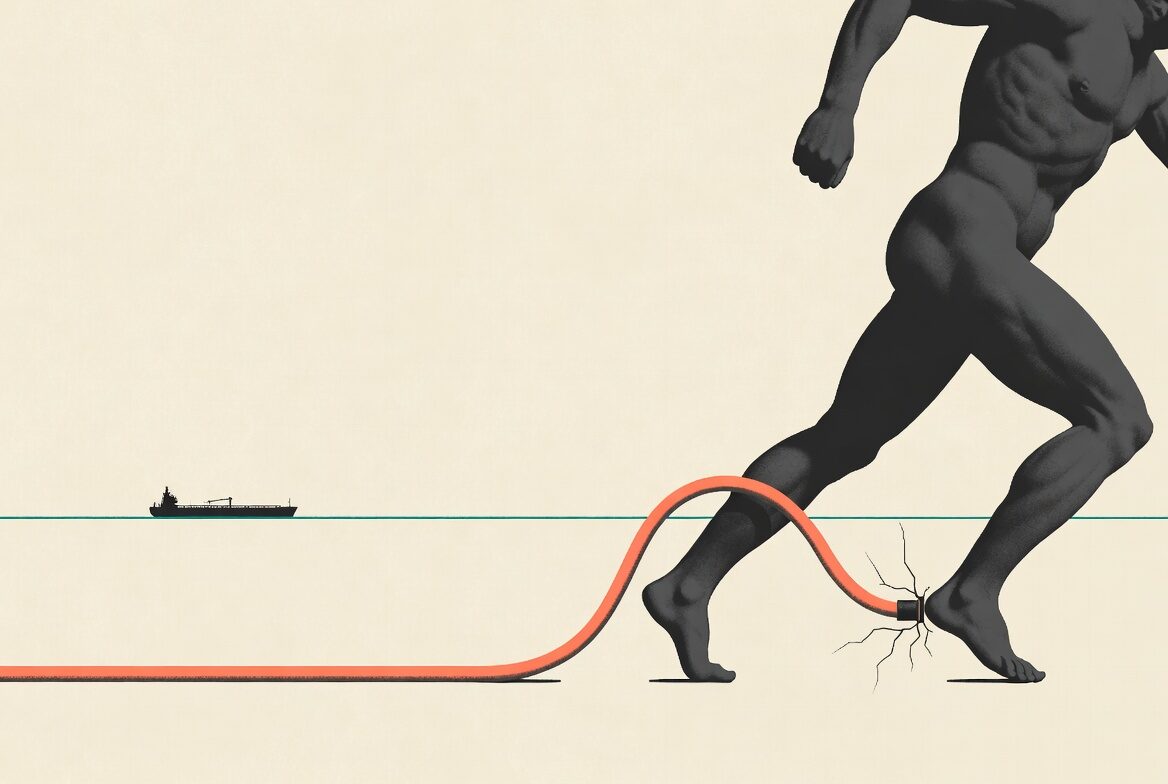
In Japan, outsiders imposing new models on Japan’s established order are often referred to as “black ships”, recalling US naval officers’ arrival with Western gunboats in the 19th century that forced the country to open its borders.
And as Mizuno puts it, “You can be a black ship for a while. But if you keep going blindly, you don’t stay disruptive. You just sink.”
・・・
Who we spoke to
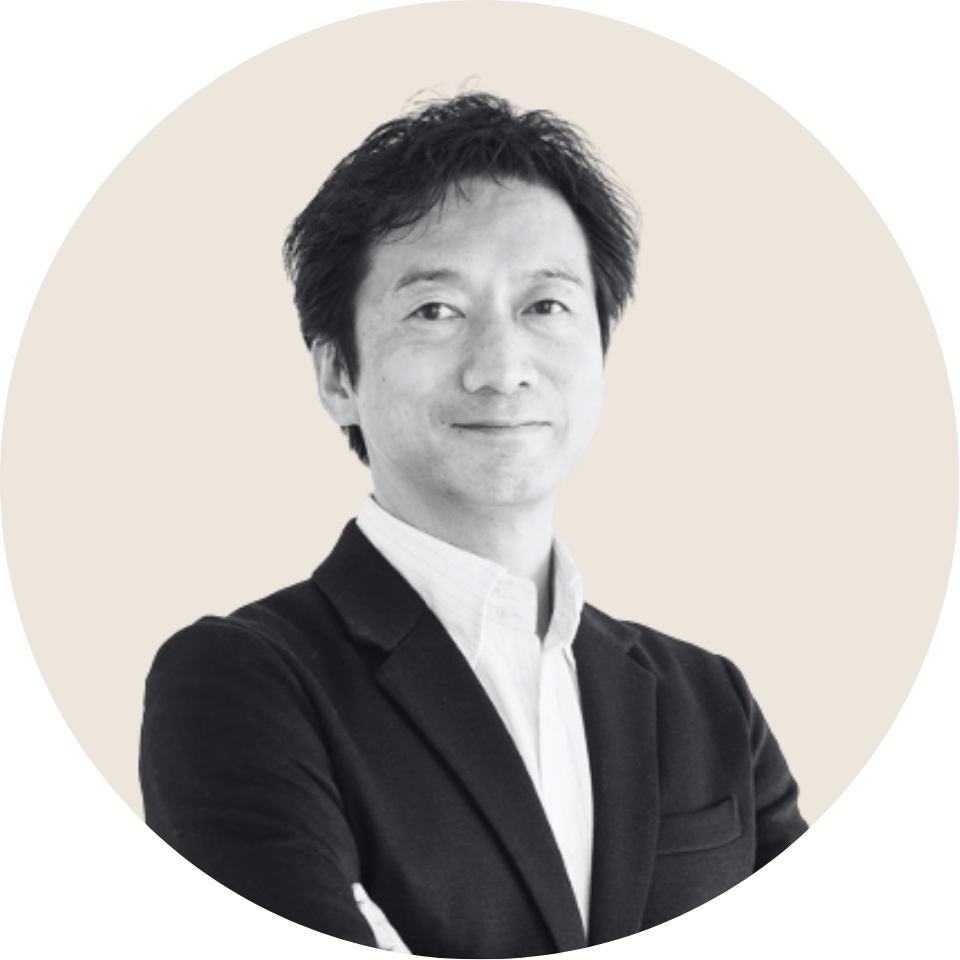
Hiroaki Mizuno led Square’s Japan business from 2013–2019 after serving as Head of Enterprise Sales for PayPal APAC and launching PayPal Japan as its first employee. He currently serves as Global CSO and Japan CEO at Pie Systems, a company facilitating digital tax-free transactions for tourists.